Multi-agent systems, robotics and machine learning
Research.
Riwa Karam · PhD Candidate at the University of California, Irvine
Research Focus
Robotic teams that collaborate with structure, context, and purpose.
Working at the intersection of robotics, machine learning, and optimization to understand how teams collaborate—and turn those ideas into algorithms, interfaces, and experiments.
Connected ideas
Explore research
Select a node to explore.
Multi-agentsystems
01 / 04
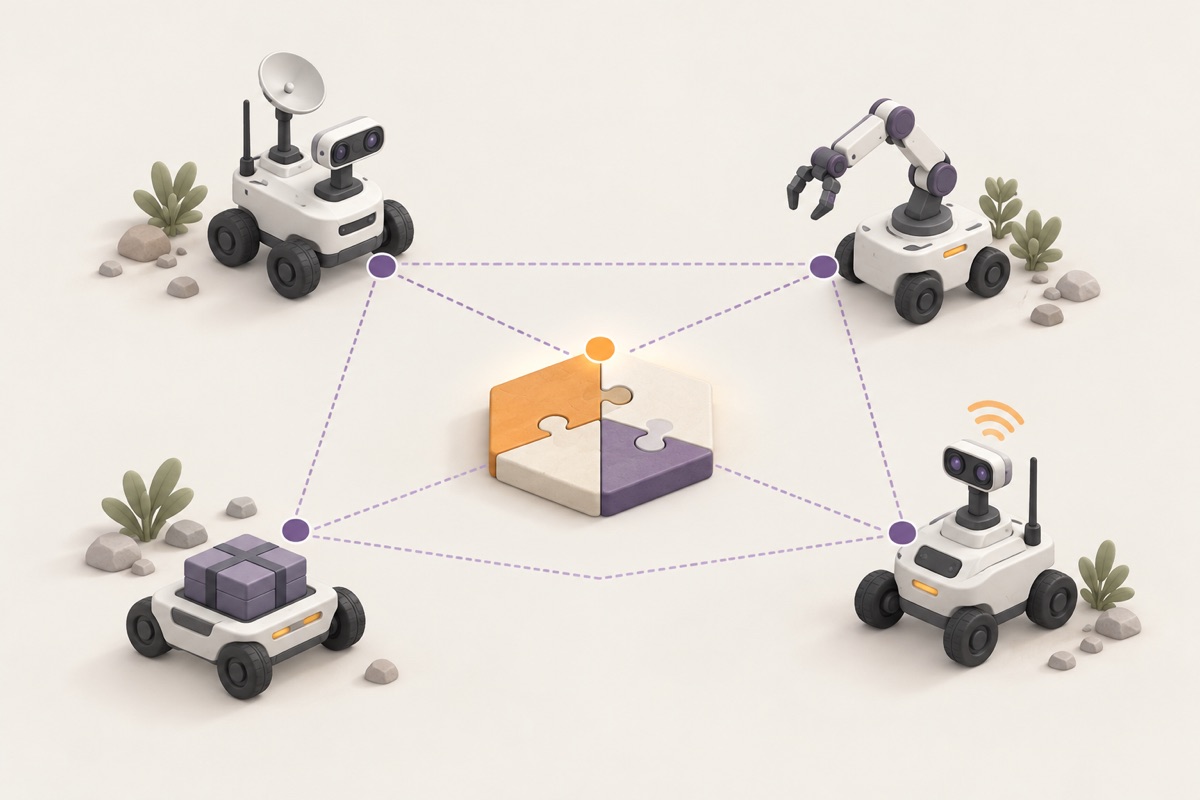
Collaborative Multi-Agent Systems
Developing algorithms that help robot teams combine complementary capabilities and share resources across different missions. Exploring how collaboration opens up possibilities beyond what each team can achieve alone.
Different capabilities, connected by a shared goal.
Collaborative Multi-Agent Systems
Developing algorithms for robot teams with different capabilities, objectives, and operating conditions. A central question: when does interaction let a team achieve something its members could not accomplish alone? The focus spans distinctions between collaboration, cooperation, and coordination, alongside resource allocation that helps teams support one another.
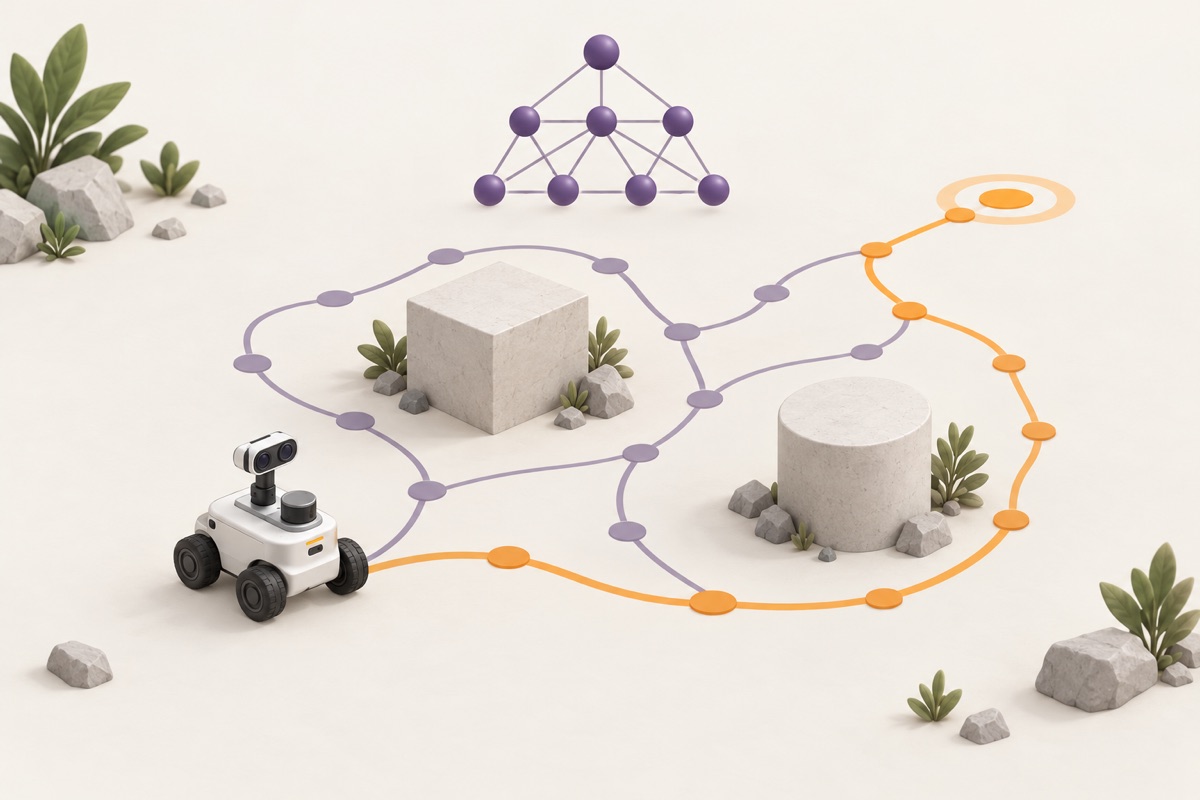
Learning from experience to guide robotic behavior.
Learning for Robotic Behavior
Exploring how learning can help robot teams decide when to share robots as transferable resources. Combining ecology-inspired models based on Hamilton’s rule with graph neural networks brings robot capabilities and transfer costs into allocation decisions. The goal is to make an NP-hard allocation problem more scalable while supporting collaborative behavior.
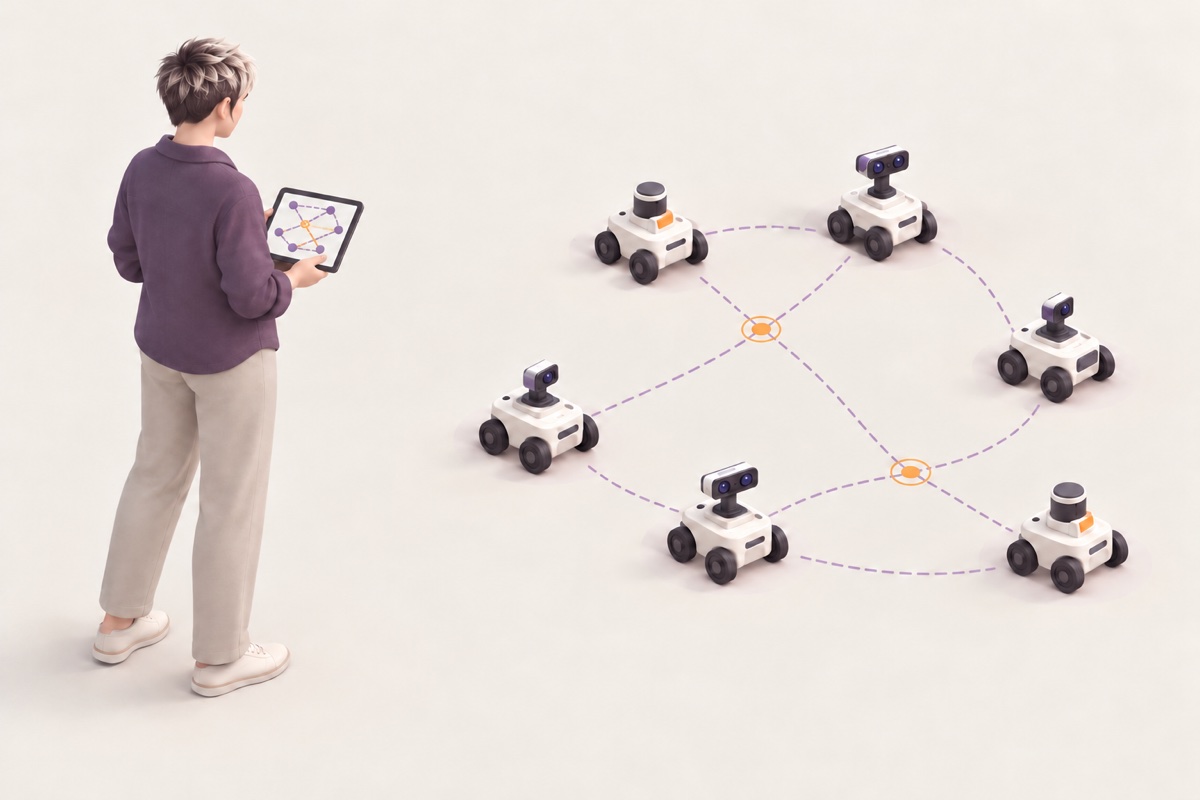
Intuitive interfaces between people and robot collectives.
Human-Swarm Interaction
Building interfaces that help people specify, supervise, and understand collective robot behavior. A particular focus is sketch-to-swarm interaction: turning freehand drawings into formation targets, robot assignments, and coordinated motion. Formation control avoids unintended reflected shapes, while a user study examines how accessible the interface is to people without robotics expertise.
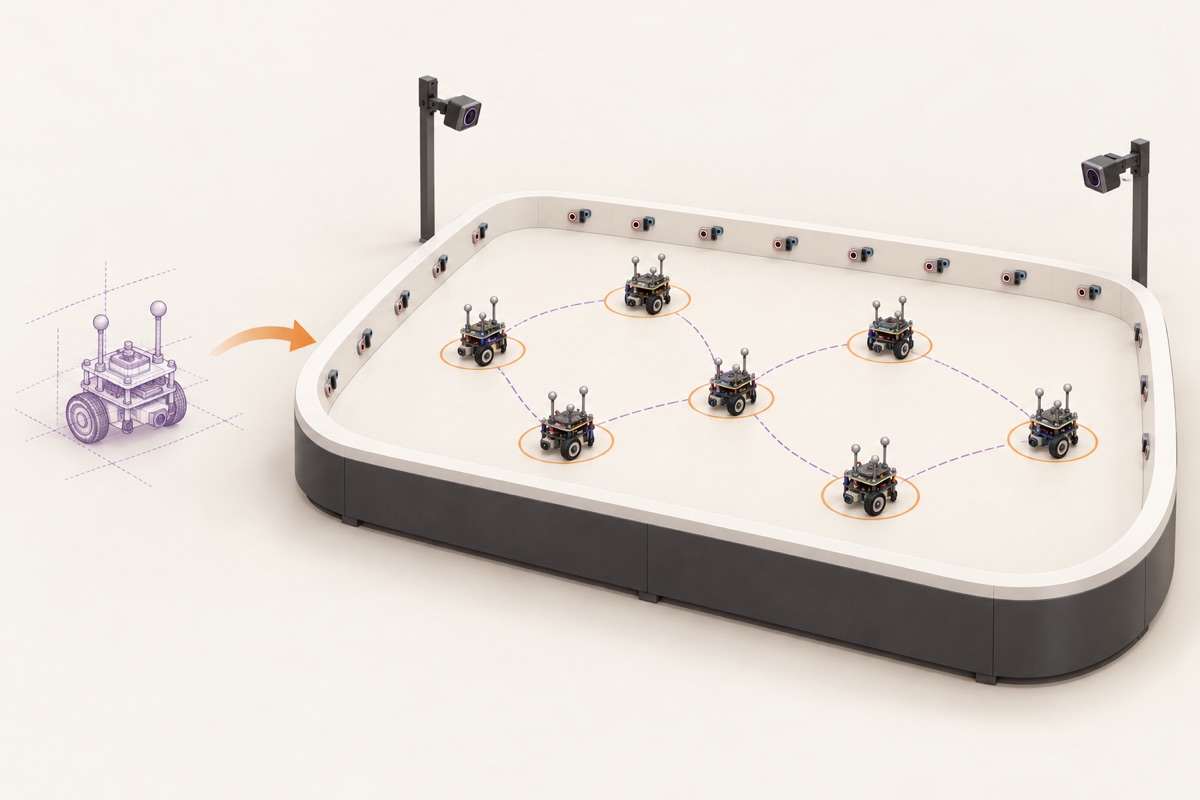
Connecting algorithms, hardware, and real-world experiments.
Robotarium and Hardware Systems
Supporting the experimental systems that bring multi-robot algorithms into the physical world. Hands-on responsibilities include Robotarium hardware, Vicon motion capture, debugging, robot maintenance, and documentation for reproducible workflows. Demonstrations and lab tours also help make the systems accessible to researchers and visitors.
Collaboration in Multi-Agent Systems: From Assignment to Learning
Developing ways for robot teams to share resources and combine complementary capabilities. Bringing together ecology-inspired models of altruism, optimization, and learning to guide when and how teams exchange robots. Alongside these allocation methods, exploring intuitive interfaces that let people shape collective robot behavior.
 01